
An accident, traffic stop, or criminal allegation can create several legal problems at once. A single event may lead to an insurance claim, a civil lawsuit, a traffic hearing, a license suspension, or a criminal prosecution. Each process has its own deadlines, evidence rules, and possible consequences.
The first step is identifying which legal processes apply. Someone injured in a collision may need to document medical losses while also responding to an insurance company. A driver accused of impairment may face both a court case and a separate administrative proceeding involving driving privileges. A person under investigation may need advice before charges are formally filed.
Early decisions matter. Statements, missed deadlines, lost records, social media posts, and improperly handled evidence can affect the available options. The following guidance explains how to preserve important information, respond to legal notices, evaluate representation, and avoid common mistakes. Because laws vary by jurisdiction, readers should obtain advice tailored to their circumstances.
Preserve Evidence Before It Disappears
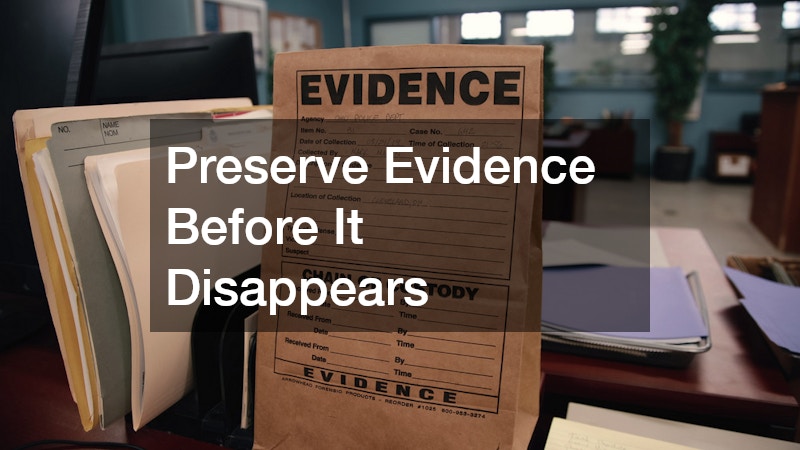
Evidence can be lost quickly after a collision or other injury-causing event. Vehicles are repaired, surveillance recordings are erased, road conditions change, and witnesses forget details. Once immediate safety and medical needs are addressed, begin documenting what happened.
Useful evidence may include:
- Photographs of vehicles, property damage, injuries, debris, and road conditions
- Police or incident reports
- Witness names and contact information
- Video from dash cameras, doorbells, nearby homes, or businesses
- Medical records and bills
- Insurance correspondence
- Repair estimates
- Proof of missed work or reduced income
A car accident attorney may help gather records, communicate with insurers, identify potentially responsible parties, and evaluate whether insurance coverage is available from more than one source.
Accident lawyers may also handle claims involving commercial vehicles, pedestrians, rideshare services, unsafe property conditions, or multiple drivers. The right investigation depends on how the injury occurred and which parties controlled the property, vehicle, or activity involved.
Keep a written timeline that includes the date of the incident, treatment appointments, symptoms, work absences, and major communications. Do not alter photographs, discard damaged property, or post detailed accounts online. A social media statement that seems harmless may later be taken out of context.
Prompt medical care is also important. Some injuries are not immediately obvious, and delayed treatment can create both health concerns and questions about whether the condition was related to the event.
Track Medical and Financial Losses Accurately
An injury claim usually requires proof of more than an accident. The injured person may need to show how the event caused physical, emotional, and financial harm.
Organized documentation can help establish:
- Emergency and follow-up treatment
- Diagnostic testing
- Prescription expenses
- Physical or occupational therapy
- Medical devices
- Transportation to appointments
- Lost wages
- Reduced earning ability
- Household help
- Changes in daily activities
An injury lawyer may examine both current losses and reasonably expected future needs. Serious injuries sometimes require ongoing rehabilitation, additional procedures, workplace accommodations, or long-term assistance.
Someone searching online for the best local personal injuyry attorney should look beyond slogans or rankings. The phrase itself contains a common spelling error, but the more important issue is whether the attorney has experience with the specific type of injury, evidence, insurance coverage, and defendant involved.
Ask prospective counsel:
- How will medical records be collected and reviewed?
- What documentation should I maintain?
- How are future losses evaluated?
- Who will communicate with the insurance company?
- What problems commonly weaken claims like mine?
Follow reasonable medical recommendations and document legitimate barriers to care, such as cost, transportation, scheduling, or insurance delays. Gaps in treatment may be questioned, but accurate explanations are better than speculation.
Keep copies of bills and insurance statements even when an insurer pays part of the charge. The total cost, amount paid, adjustments, and remaining balance may all be relevant to the financial picture.
Address the Special Issues in Rider Injuries
Motorcycle collisions often involve unique injury patterns, insurance issues, and disputed facts. Drivers may claim they did not see the rider, while insurers may rely on stereotypes about speed or risk-taking.
Important evidence can include:
- Helmet-camera footage
- Damage to the motorcycle
- Riding gear
- Skid marks and debris
- Road defects
- Vehicle blind spots
- Traffic-camera recordings
- Navigation or location history
- Maintenance records
A motorcycle accident lawyer may investigate visibility, lane position, turning movements, road design, traffic signals, vehicle speed, and the conduct of everyone involved.
The motorcycle and protective equipment should not be repaired, sold, or discarded before they are thoroughly documented. Damage patterns can help explain the direction and force of an impact. Photographs should capture the full vehicle and close-up details.
Riders should also identify all potentially available coverage. Depending on the circumstances, a claim may involve policies belonging to the rider, another driver, a vehicle owner, an employer, or another responsible party.
Avoid giving a detailed recorded statement while injured, medicated, or uncertain about what happened. It is reasonable to provide necessary identifying information, but guessing about speed, distance, or timing may create inconsistencies.
Document the ways the injury affects mobility, work, sleep, recreation, household tasks, and family responsibilities. These effects may be harder to quantify than medical bills, but they can still be important.
Respond Before Ticket and License Deadlines Expire

A traffic citation should not be ignored. Missing a hearing or response deadline can result in additional penalties, default findings, license problems, or warrants in some jurisdictions.
Review the citation and identify:
- The exact alleged violation
- The court or agency handling it
- The response deadline
- Whether an appearance is required
- Possible points or license consequences
- Whether payment is treated as an admission
A traffic ticket lawyer may review the stop, citation, driving record, available video, and possible defenses or negotiated resolutions. Even a minor-looking violation can affect insurance costs, professional licensing, or employment that requires driving.
A local dwai lawyer may be appropriate when the jurisdiction recognizes a lower-level alcohol- or drug-related driving offense in addition to more serious impaired-driving charges. The terminology and consequences vary, so the exact wording on the citation or charging document matters.
Preserve all documents from the stop, including temporary licenses, tow records, test paperwork, release conditions, and court notices. Do not assume that the date listed for court is the only deadline. A separate administrative challenge involving driving privileges may need to be filed much earlier.
Avoid posting about the stop or contacting witnesses to coordinate accounts. Pay attention to all release instructions, and do not continue driving if your privileges have been suspended.
Separate the Court Case From the License Process
An impaired-driving arrest may create two separate matters: a criminal or traffic prosecution and an administrative proceeding involving the driver’s license. Winning or resolving one does not necessarily end the other.
A dui lawyer may review issues such as:
- The reason for the traffic stop
- Field sobriety exercises
- Breath or blood testing
- Test refusal
- Statements made to officers
- Search procedures
- Video evidence
- Testing-device maintenance
- Prior convictions
Ask whether the representation includes both proceedings. Some fee agreements cover only the court case, while the license hearing requires separate work.
Gather every document received after the arrest, including bond conditions, testing records, temporary permits, suspension notices, and vehicle impound paperwork. Follow all restrictions carefully. Driving during a suspension or violating alcohol-monitoring conditions can create additional problems.
Be candid with counsel about alcohol or drug use, medications, prior cases, and what happened before the stop. Surprises can undermine preparation. Attorney-client confidentiality generally allows clients to discuss damaging facts so the lawyer can evaluate the case properly.
No responsible professional should guarantee dismissal or a particular sentence before reviewing the evidence. A useful consultation should address likely penalties, possible defenses, immediate deadlines, and the realistic range of outcomes.
Avoid Creating New Problems During an Investigation

Legal representation may be necessary before an arrest or formal charge. Requests for an interview, access to a phone, document production, a search, or voluntary surrender may indicate an active investigation.
A criminal defense attorney can assess potential exposure, communicate with investigators, preserve evidence, and advise whether answering questions is in the person’s interest.
Criminal attorneys may also explain:
- Suspected charges
- Search warrants
- Court appearances
- Release conditions
- Plea negotiations
- Evidence rules
- Trial preparation
- Possible collateral consequences
Remain calm and do not physically resist lawful instructions. At the same time, complying with an order is not the same as voluntarily answering every question or consenting to every request.
Never attempt to improve the situation by:
- Deleting messages or files
- Altering records
- Hiding physical evidence
- Contacting witnesses to coordinate stories
- Asking another person to conceal information
- Posting accusations or explanations online
These actions may destroy helpful evidence or create additional allegations. Preserve texts, emails, photographs, receipts, location data, and other relevant records in their original form.
Advice from friends or online forums may be based on different charges, states, or court systems. A strategy that helped another person may be harmful in a different matter.
Compare Experience, Communication, and Resources
Choosing legal representation requires more than selecting the first name in a search result. The attorney should have experience with the specific case type, court, evidence, and potential consequences involved.
Review:
- Licensing and disciplinary status
- Relevant practice experience
- Familiarity with the applicable court or agency
- Negotiation and trial background
- Staffing and caseload
- Communication procedures
- Availability for urgent issues
During a consultation, ask:
- Who will personally handle the matter?
- What are the strongest and weakest issues?
- What evidence should be collected?
- What outcomes are realistic?
- How often will updates be provided?
- What decisions will require my approval?
- What should I avoid doing?
Pay attention to whether the attorney listens, answers directly, and explains uncertainty. Confidence can be valuable, but promises of a guaranteed settlement, dismissal, acquittal, or sentence should be treated cautiously.
Local familiarity may help a lawyer navigate scheduling and procedural expectations, but it does not guarantee special treatment. The attorney should base the strategy on the facts and law rather than claimed relationships.
The working relationship also matters. Clients need to share sensitive information honestly and understand the advice they receive. A lawyer who communicates clearly and identifies risks may be more helpful than one who simply says what the client hopes to hear.
Review the Full Cost of Representation

Legal matters use different billing arrangements. Injury claims are often handled through contingency fees, while traffic and criminal cases may involve flat fees, hourly billing, retainers, or staged fees.
Before signing, ask what the quoted amount includes. Possible additional expenses may involve:
- Court filing fees
- Medical records
- Expert witnesses
- Depositions and transcripts
- Investigators
- Accident reconstruction
- Travel
- Process servers
- Trial preparation
A contingency agreement may still make the client responsible for certain expenses. Criminal or traffic fees may increase if the matter proceeds to hearings or trial.
Review the written agreement for:
- Scope of representation
- Payment schedule
- Billing rates
- Responsibility for expenses
- Retainer replenishment
- Refund terms
- Trial or appeal fees
- Conditions for ending representation
Do not rely on verbal explanations alone. Request clarification for any language you do not understand and keep copies of the agreement, invoices, receipts, and major correspondence.
The lowest price is not always the best value, but higher fees do not automatically guarantee better representation. Compare experience, service, resources, and financial terms together.
Injury claims, traffic allegations, and criminal cases follow different procedures, even when they arise from the same incident. Understanding which processes apply is essential for protecting evidence, meeting deadlines, and avoiding decisions that may limit future options.
Begin by collecting important documents and creating a clear timeline. Preserve physical and digital evidence, track medical and financial losses, follow court and release instructions, and avoid public statements about disputed events.
When comparing legal professionals, focus on directly relevant experience, honest communication, sufficient resources, and clear written fees. No one can responsibly promise a specific result without reviewing the facts, evidence, and applicable law.
Prompt action is often important, but speed should not replace careful evaluation. Asking focused questions and understanding the scope of representation can help a person enter the legal process with clearer expectations and fewer preventable complications.